Emergency Dentist Care: First Steps for a Chipped Tooth
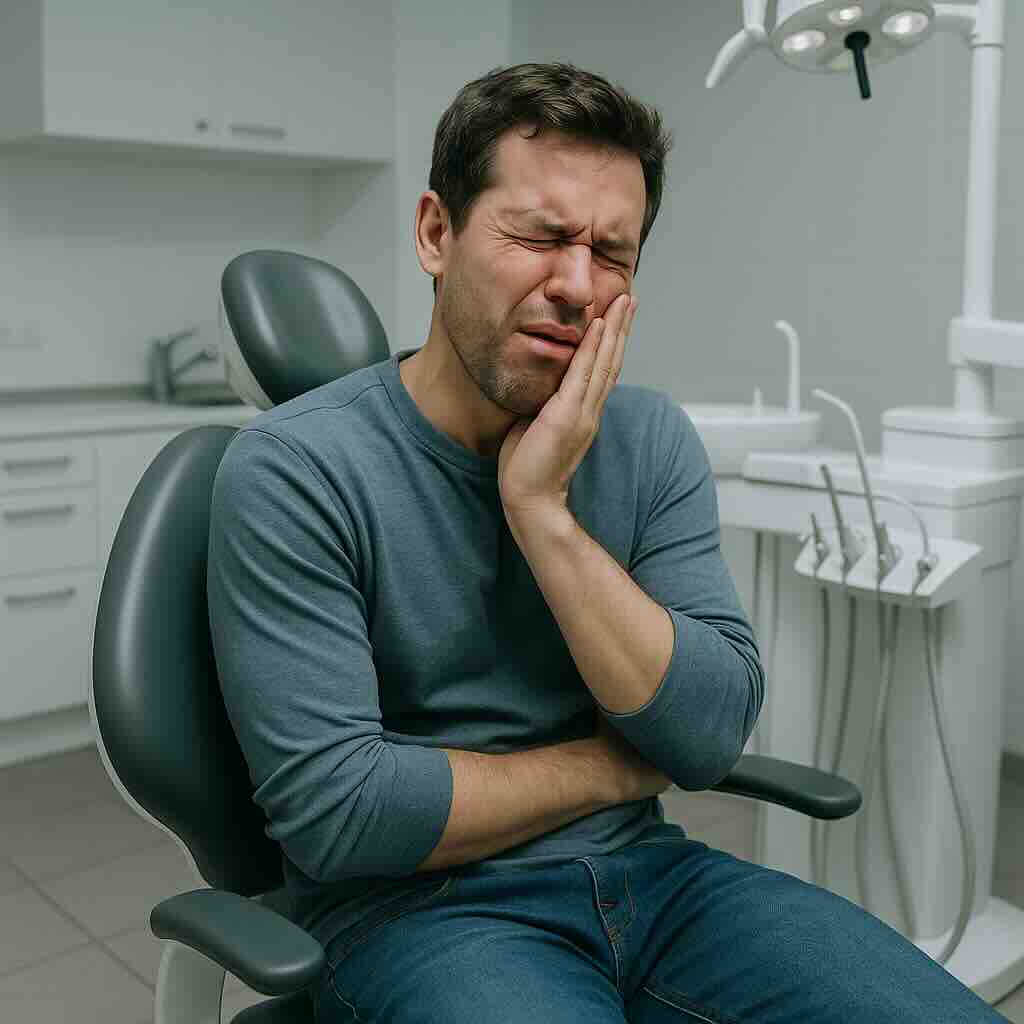
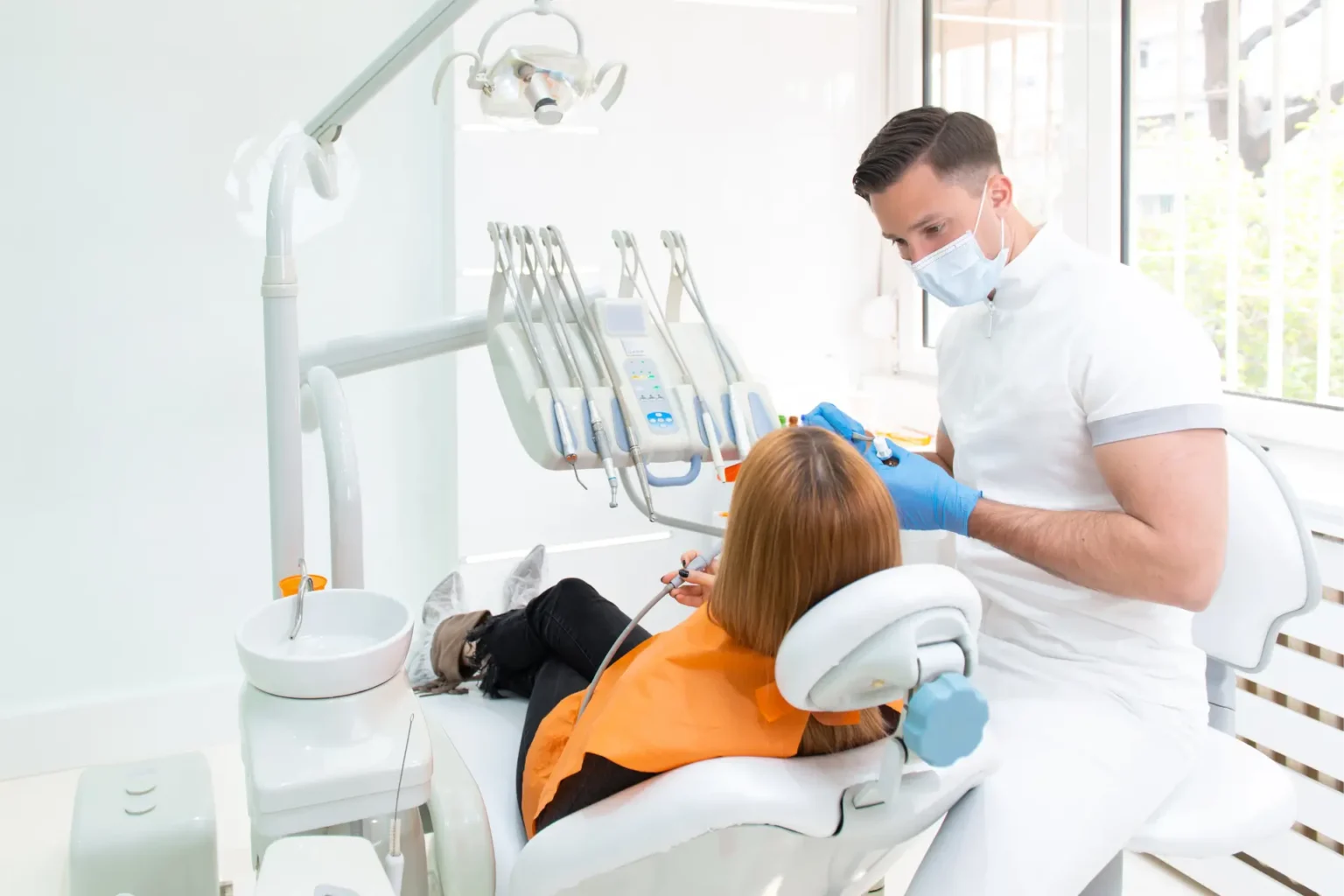
A chipped tooth can feel minor at first glance, especially if the piece seems small and the pain is manageable. Then the tongue finds the sharp edge, cold water hits the area, and the situation quickly becomes more serious. I have seen plenty of people put off care because the tooth did not look dramatic in the mirror. By the time they came in, a simple smoothing or bonding appointment had turned into a root canal, crown, or extraction discussion.
That shift can happen faster than most people expect. Teeth are hard, but they are not solid all the way through. Under enamel sits dentin, which is softer and more sensitive. Deeper still is the pulp, where the nerve and blood supply live. A chip that starts as a cosmetic nuisance can expose vulnerable layers, collect bacteria, and worsen with every bite. The first few hours matter.
The good news is that many chipped teeth can be treated successfully, especially when people take the right steps early and get evaluated by an Emergency Dentist when needed. What you do at home before the appointment can reduce pain, prevent further damage, and improve the odds of a simpler repair.
Not every chip is the same
A chipped tooth is a broad description, not a diagnosis. One patient may have a tiny flake off the edge of a front tooth after biting a fork. Another may have lost a large corner of a molar while chewing ice, with the fracture extending below the gumline. Both will say, “I chipped my tooth,” but the urgency and treatment can be very different.
Small chips limited to enamel are often rough rather than painful. They may still need attention because sharp enamel edges can cut the tongue or lip, and even a small cosmetic chip can affect speech or confidence if it is on a front tooth. Moderate chips that reach dentin often produce sensitivity to air, sweets, and temperature. Larger fractures may involve the pulp, which can cause persistent pain, throbbing, or bleeding from the tooth itself. In the most severe cases, the tooth may be split, mobile, or associated with trauma to the jaw or surrounding soft tissue.
The cause also matters. A chip from grinding your teeth at night carries different implications than a chip from a fall, a sports injury, or biting on an olive pit. Trauma can injure the root or supporting bone even when the visible damage looks modest. That is one reason a clinical exam and dental X-rays often tell Emergency Dentist a more complete story than a bathroom mirror.
The first hour matters more than people think
When a patient calls after chipping a tooth, the immediate priorities are usually straightforward: control bleeding if present, protect the tooth, reduce pain, and decide how quickly they need to be seen. People often focus on whether they can save the broken fragment. That can help in some cases, especially for front teeth, but it is not the first priority. The first priority is preventing the situation from getting worse.
Start by rinsing gently with lukewarm water. This clears blood, food debris, and any dust-like fragments. If the area is bleeding, a clean piece of gauze or a damp cloth with light pressure usually helps. Avoid aggressive swishing, poking the area, or testing the tooth by biting to “see how bad it is.” That simple habit has worsened more than a few fractures.
If you can find the broken piece, keep it. Place it in a clean container. Some dentists may ask you to bring it in, particularly if the fragment is sizeable and the chip is recent. Reattachment is not always possible, but when conditions are right, it can produce an excellent result. Even if the piece cannot be bonded back, it helps the dentist understand the shape and extent of the fracture.
Sharp edges deserve respect. Dental wax, which many pharmacies sell near orthodontic products, can cover the rough spot temporarily. Sugar-free gum can work in a pinch if wax is unavailable. The goal is not to glue the tooth back together at home. The goal is simply to shield your tongue and cheek until the tooth can be treated properly.
What to do right away
- Rinse your mouth gently with lukewarm water and spit carefully.
- Save any broken fragment in a clean container and bring it to the appointment.
- If there is bleeding, apply light pressure with gauze for about 10 minutes.
- Use a cold compress on the outside of the cheek in short intervals if there is swelling.
- Avoid chewing on that side and stay away from very hot, very cold, sticky, or hard foods.
Those steps are simple, but they prevent many avoidable problems. A person who continues eating crunchy foods on the injured side can turn a repairable chip into a deeper crack. A person who ignores swelling after trauma may miss a more significant injury. Calm, conservative care is best until you can be examined.
Pain control without making things worse
Pain from a chipped tooth varies widely. Some people feel almost nothing at first. Others notice a sharp jolt with every breath. If the chip exposes dentin, the tooth can react strongly to temperature changes and pressure. If the pulp is involved, pain can become constant, intense, and difficult to localize.
Over-the-counter pain relief can help, assuming you normally tolerate those medications and have no medical reason to avoid them. Many adults do well with acetaminophen or ibuprofen, used according to the package directions or their physician’s advice. A cold compress on the cheek can ease swelling and blunt discomfort, especially in the first day after trauma.
One common mistake is placing aspirin directly on the gum or tooth. People still do this, often because a relative once recommended it. It does not fix the dental problem, and it can burn the soft tissue. Another mistake is drinking very hot coffee or ice water to “test” sensitivity. If the tooth is already irritated, those extremes usually aggravate it.
Sleeping can be uncomfortable the first night. Keeping your head slightly elevated sometimes helps if there is throbbing or swelling. If the pain wakes you, lingers, or gets worse rather than better, that is a signal to seek prompt dental care rather than wait a few days hoping it will settle on its own.
When a chip becomes a true dental emergency
Many chips should be seen soon, but some call for urgent attention the same day. Distinguishing between the two is not about toughness. It is about reducing the risk of infection, nerve damage, and tooth loss.
Signs you should contact an Emergency Dentist as soon as possible
- Severe or escalating pain, especially spontaneous throbbing that does not stop.
- Visible pink or red tissue at the center of the tooth, or bleeding from the tooth itself.
- Swelling of the gum, face, or jaw, particularly after trauma.
- A large missing portion of the tooth, looseness, or a bite that suddenly feels off.
- A chip paired with a fall, sports injury, facial cut, or possible jaw injury.
If you are dealing with a chipped tooth and also have trouble breathing, heavy uncontrolled bleeding, loss of consciousness, or suspected facial fracture, that goes beyond routine dental urgency. Emergency medical care is the right first stop in those cases.
What an Emergency Dentist will look for
A proper dental evaluation goes beyond smoothing the sharp spot and sending you home. A good emergency exam aims to answer several practical questions. How deep is the damage? Is the tooth cracked below the visible chip? Has the nerve been exposed or irritated? Is the tooth still stable in the bone? Is there injury to neighboring teeth that has not shown symptoms yet?
The exam usually starts with a visual check and a discussion of how the injury happened. That history matters more than patients realize. A clean chip while eating soft bread suggests one kind of problem. A sudden break while biting something firm may point toward a preexisting cavity or weakened filling. A sports impact may raise concern for root fracture or tooth displacement.
Dental X-rays are often part of the visit, though not every superficial chip needs extensive imaging. If there is tenderness to biting, mobility, or trauma, imaging becomes much more important. Your dentist may also test the tooth’s response to cold and gently assess the bite, because even small changes in how teeth meet can create significant soreness over the next few days.
People are sometimes surprised when the dentist examines the lips, cheeks, and gums too. That is not wasted time. Broken tooth fragments can lodge in soft tissue after an injury. Cuts may need care. Bruising patterns can also offer clues about the force and direction of impact.
Treatment depends on depth, location, and function
The public often thinks chipped teeth are fixed with “a filling,” but treatment is more nuanced than that. A small enamel chip on a front tooth may only need contouring or a bit of bonded composite to restore the shape. These repairs are often straightforward and can look excellent when the color match is done well.
If the fracture reaches dentin, bonding may still work, but the tooth may need more protection and closer follow-up. Molars take heavy chewing forces, so a moderate chip on a back tooth can require a crown rather than a simple filling, especially if a large cusp has broken away. Front teeth raise cosmetic and speech considerations that affect the choice of material and contour.
When the pulp is exposed or irreversibly inflamed, a root canal may be necessary before the tooth can be rebuilt. Patients often fear that phrase, but the alternative is ongoing pain and infection risk. In some cases, the tooth can still be saved quite predictably with endodontic treatment followed by a crown or other restoration.
Some fractures are unfortunately beyond repair. If the crack extends deep below the gumline or the root is split, extraction may be the most reasonable option. That is never the preferred answer, but it is sometimes the honest one. What matters then is discussing replacement thoughtfully, whether that means an implant, bridge, or another plan based on the patient’s health, timing, and budget.
The difference between front teeth and back teeth
A chip on a front tooth tends to get immediate attention because it is visible. A chip on a molar is easier to ignore. Oddly enough, the back tooth can be the riskier one to postpone. Molars absorb far more force. A crack that seems manageable during the day can deepen with every meal, especially if the person unconsciously favors the opposite side and then returns to normal chewing once the initial tenderness fades.
Front teeth, on the other hand, create a different set of concerns. Even a small irregularity can affect speech, lip support, and appearance. People in client-facing jobs often want the repair done quickly for understandable reasons. When the fragment is intact and the conditions are right, reattachment can be surprisingly natural. When it is not possible, modern composite bonding can still produce a very convincing result in skilled hands.
Bite matters in both areas. I have seen beautifully repaired front teeth chip again within months because the underlying issue, usually clenching or edge-to-edge bite forces, was never addressed. A night guard may become part of the long-term plan, particularly for patients who wake with jaw tightness or have a history of worn enamel.
Children, sports injuries, and timing
Children and teenagers chip teeth often, usually in the pool, on the field, at the playground, or during ordinary roughhousing that got a little too enthusiastic. The response should still be prompt. Young permanent teeth are special cases because the pulp can be relatively large and the long-term health of the tooth depends on quick, appropriate care.
Parents are sometimes relieved if the child stops crying and says the tooth no longer hurts. That can be misleading. Teeth affected by trauma do not always declare their full symptoms immediately. Color changes, delayed nerve problems, or root complications can show up later. A prompt dental exam gives a baseline and helps guide follow-up.
For athletes, mouthguards deserve a serious mention here. They do not prevent every injury, but they reduce the frequency and severity of dental trauma substantially. Custom mouthguards generally fit better than boil-and-bite versions and are far more likely to be worn consistently. That matters because the best protective device is the one that is actually in the athlete’s mouth during the impact.
What not to do after chipping a tooth
Some of the worst outcomes do not come from the original chip. They come from improvised home fixes. Superglue has no place in your mouth. Filing the edge with a nail tool is an easy way to remove more enamel and irritate the area. Ignoring a chip because “it only hurts with cold” can allow a repairable problem to progress quietly.
Hard foods are a major offender in the first couple of days. Nuts, crusty bread, popcorn kernels, hard candy, ice, and even dense granola can stress a vulnerable tooth. Sticky foods can also be trouble because they pull at a temporary repair or wedge into the fracture line. Soft foods and room-temperature drinks are usually the safest choices until you have been treated.
It is also worth avoiding the temptation to compare your situation too closely with someone else’s story. One person may have chipped a tooth and needed only polishing. Another may have had a similar-looking chip with a hidden crack extending into the root. Dental injuries are highly individual, and appearances can be deceptive.
The cost of waiting
People delay dental care for understandable reasons. Schedules are crowded. Pain comes and goes. Cost is a real concern. But with chipped teeth, waiting can be expensive in both financial and biological terms.
A small bond is typically less involved than a crown. A crown is usually less involved than a root canal and crown. A tooth that becomes infected or splits further may eventually need extraction and replacement, which is a larger project altogether. This is one of those situations where prompt care often preserves more options.
There is also the hidden cost of adaptation. When a tooth feels wrong, people change how they chew. They start avoiding one side, cutting food differently, or clenching from discomfort. Those compensations can strain the jaw, irritate other teeth, and create headaches or muscle fatigue. The original chip may be small, but the ripple effects are not always small.
Recovery after treatment
After a chipped tooth is repaired, the next day or two may still involve some sensitivity, especially if the damage was deeper or the tooth took a traumatic hit. Mild tenderness to biting can happen after bonding adjustments or more extensive work. That said, symptoms should trend in the right direction. If pain intensifies, lingers beyond what your dentist described, or is paired with swelling, call back.
Temporary restorations deserve caution. If your final crown is not yet placed, treat the tooth gently. Avoid sticky foods and report any sense that the temporary has shifted. If bonding was done on a front tooth, be mindful of habits like nail biting, opening packages with your teeth, or chewing pen caps. Those habits undo good dental work with surprising efficiency.
Longer term, prevention matters. If the chip happened because of decay under an old filling, that needs a broader cavity-prevention discussion. If grinding caused the break, the repair is only half the story until the bite forces are managed. If the cause was a sports injury, protective gear should become routine, not optional.
A practical perspective on urgency
A chipped tooth Emergency Dentist is not always catastrophic, but it is never something to brush off casually. Teeth do not heal the way skin does. They can be repaired, protected, and restored very successfully, but they do not regrow lost structure on their own. That is why the first steps matter so much.
Rinse gently. Save the fragment if you find it. Protect the sharp edge. Keep pressure off the tooth. Watch for red flags like swelling, bleeding, severe pain, or looseness. Then get an experienced dentist to assess what the eye cannot see. If the chip is painful, large, or tied to trauma, an Emergency Dentist is often the right call.
Handled early, many chipped teeth have straightforward outcomes and excellent long-term prospects. Handled late, they have a way of becoming more complicated than anyone expected. That is the real lesson with dental injuries. What looks small can carry real consequences, and prompt, measured action gives you the best chance to keep the tooth healthy and the repair simple.
Vitality Dental
1220 Coit Rd # 106, Plano, TX 75075, United States
+1 972-645-4100
FAQ About Emergency Dentist
What counts as a dental emergency?
A knocked-out tooth, significant mouth injury, severe tooth pain, or painful swelling warrants prompt evaluation. Call your dentist and describe your symptoms so the office can advise you on how urgently you need care.
What should I do if I knock out a permanent tooth?
Call a dentist immediately. Handle the tooth by the crown, avoid touching the root, and keep it moist. If you cannot put it back into the socket easily, transport it in milk or a tooth-preservation solution. Bring it with you to the appointment.
Should I go to the emergency room for a dental emergency?
Seek emergency medical care right away if you have trouble breathing or swallowing, uncontrolled bleeding, or a serious facial injury. For an isolated tooth injury or toothache without those symptoms, call a dentist promptly for guidance.