What Every Parent Should Know About Emergency Dentists in Plano, TX

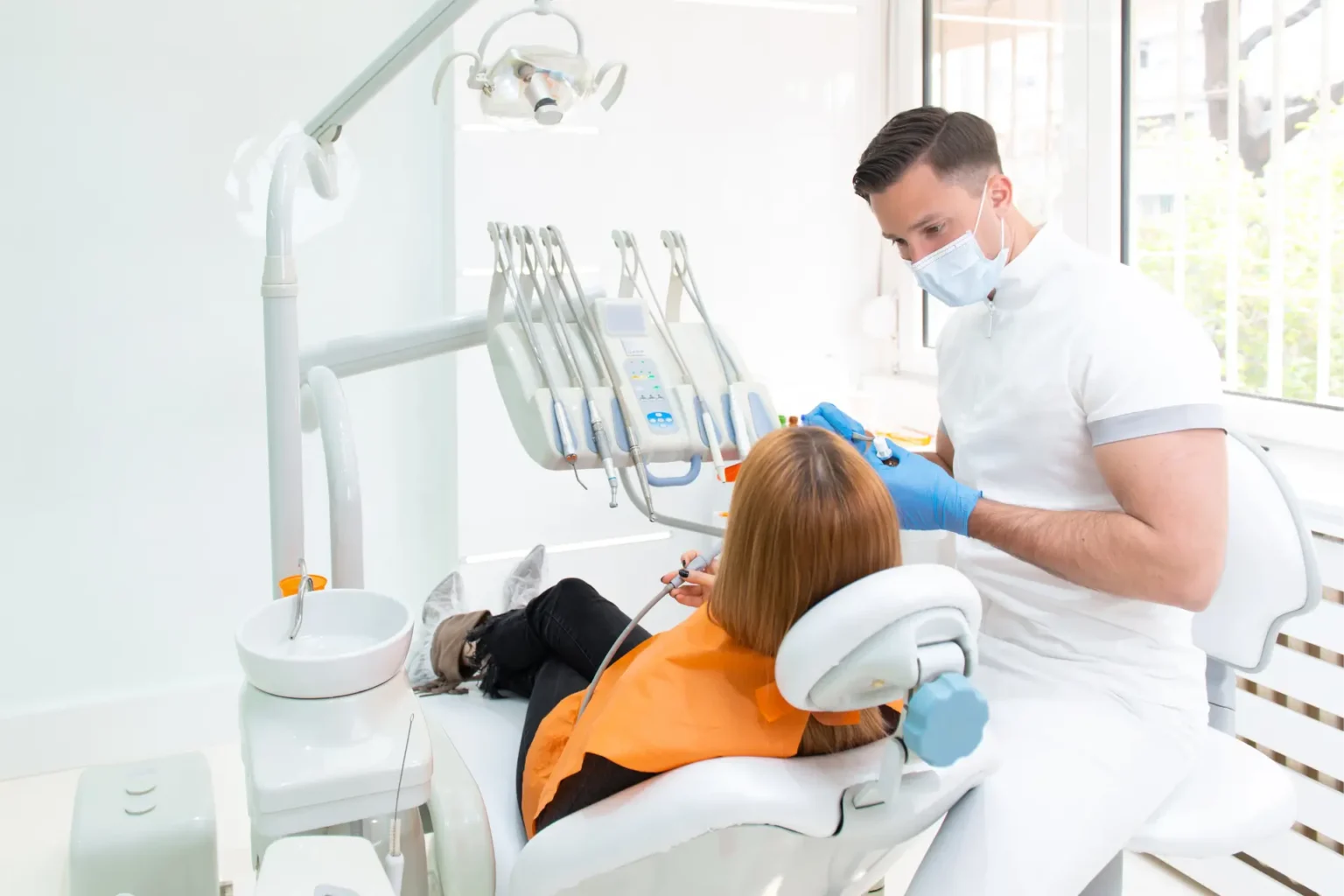
A child can go from laughing at dinner to crying over a broken tooth in less than a minute. A fall off a scooter, a collision during soccer practice, a hard bite into a popcorn kernel, even a swelling that seems to appear out of nowhere, these moments catch parents off guard because they happen during ordinary days. When they do, knowing what counts as a real dental emergency and where to turn in Plano can make a meaningful difference in pain, cost, and long-term dental health.
Parents often assume emergency dental care is mainly about dramatic injuries, like a knocked-out permanent tooth. Those cases matter, of course, but many urgent visits begin with something less obvious: a child who cannot sleep because of throbbing pain, a face that looks slightly puffy by bedtime, a chipped front tooth that exposes a nerve, or a crown that comes off before a family trip. The challenge is not just getting care. It is making fast decisions while your child is upset and you may be trying to sort out whether you need an emergency dentist, a pediatric dentist, an urgent care clinic, or the ER.
In Plano, families have access to general dentists, pediatric specialists, after-hours options, and hospital care nearby. That range is helpful, but it can also create hesitation. A parent under stress does not need ten browser tabs and conflicting advice. They need practical judgment. They need to know what can wait until morning, what should be seen the same day, and what needs immediate medical attention.
Not every dental problem is an emergency, but some should never wait
One of the most useful distinctions a parent can make is the difference between urgent, soon, and now. Plenty of dental problems feel alarming without being dangerous. A loose baby tooth after a fall may look unsettling but often needs simple observation. A tiny chip with no pain may wait for a scheduled dental appointment. On the other hand, swelling, significant bleeding, visible tooth displacement, severe pain, or trauma involving a permanent tooth usually deserves same-day care.
The phrase Emergency dentist Plano, TX tends to Emergency dentist Plano, TX show up in search results when a family is in exactly that moment of uncertainty. The problem is that internet searches flatten everything into one category. A lost filling and a facial infection are not the same. A broken baby tooth and a knocked-out adult tooth are not managed the same way either.
The issues that generally deserve urgent attention include:
- A knocked-out permanent tooth, especially if the tooth can be found and handled properly
- A cracked or broken tooth with pain, bleeding, or a sharp fragment cutting the mouth
- Swelling of the gums, jaw, or face, particularly if it is getting worse
- Persistent tooth pain that keeps a child from eating, sleeping, or functioning normally
- Uncontrolled bleeding after a dental injury
That list is intentionally short because parents usually need clarity, not a textbook. If your child has trouble breathing, trouble swallowing, fever with facial swelling, or a significant head injury along with dental trauma, that moves beyond a routine dental emergency. At that point, the ER or 911 is the right call.
Why timing matters more than many parents realize
Dental injuries have a time component. With certain problems, a few hours can shape the outcome. The best-known example is an avulsed permanent tooth, meaning it has been completely knocked out. In many cases, a dentist has the best chance of saving that tooth when it is reimplanted quickly. Even when the outcome is uncertain, speed matters.
Pain also tends to escalate at night. A toothache that starts after school may become far more severe by bedtime, not because the child is exaggerating, but because inflammation often feels worse when lying down and because there are fewer distractions. Families who wait too long sometimes end up in a harder spot: the child is exhausted, local offices are closed, and they are deciding under more pressure than they would have faced earlier in the evening.
There is also a practical reason to move quickly in Plano. Same-day emergency dental slots are limited, especially during school breaks, around holidays, and after sports-heavy weekends. Offices that reserve time for emergencies often fill those appointments early. Calling sooner usually means more options, and more options generally means better care.
The baby tooth question trips up a lot of parents
Many parents understandably think, “It is only a baby tooth.” Sometimes that instinct leads to too much waiting. Baby teeth do eventually fall out, but they still matter. They hold space for permanent teeth, support chewing and speech, and can absolutely cause serious pain or infection. A neglected problem in a primary tooth can disturb the permanent tooth developing beneath it.
At the same time, treatment for baby teeth is not always aggressive. That is where professional judgment matters. A slightly bumped baby tooth may simply be monitored. A severely displaced baby tooth may need to be removed, particularly if it creates a biting problem or a risk to the permanent tooth. A baby tooth that is fully knocked out usually is not reinserted because doing so can damage the adult tooth bud below.
This is one reason many Plano parents prefer offices that are comfortable handling children, even if the practice is not exclusively pediatric. Communication matters in emergencies. So does technique. A five-year-old with a fractured tooth needs a different approach than a teenager with a sports injury, even if the injury sounds similar on paper.
Toothaches are rarely “just a cavity” when they become severe
A mild cavity often causes no symptoms at all. A child can have visible decay and still eat normally. Once pain becomes intense, spontaneous, or constant, the problem may be deeper. The nerve could be inflamed or infected. There may be an abscess beginning. Food may be packing into a broken area and irritating the tooth every time your child chews. Sometimes the source is not even the tooth itself. Sinus pressure, erupting teeth, grinding, or trauma can mimic tooth pain.
What parents should watch for is the pattern. A toothache that appears only with cold water and then fades may be uncomfortable, but it is not always an emergency. A toothache that wakes a child at 2 a.m., makes them avoid one side of the mouth, or causes swelling around the gumline deserves prompt care. If the pain is paired with fever, bad taste in the mouth, or visible swelling of the face, do not wait casually and hope it settles down on its own.
One difficult reality is that antibiotics are not a complete answer for many dental infections. They may help control spread, but they do not remove the source. If there is deep decay, a draining abscess, or a dying nerve, the tooth often still needs definitive treatment. That is why urgent dental evaluation matters even if your child seems slightly better after medication.
What to do in the first 30 minutes
The first half hour after a dental injury often feels chaotic, but a calm response helps. Parents do not need to become emergency clinicians. They do need a simple playbook.
If there is bleeding, start with clean gauze or a damp cloth and steady pressure. If a tooth is chipped or broken, try to find the fragment and rinse the mouth gently with water. If there is swelling from an impact, a cold compress on the outside of the cheek can reduce discomfort. If a permanent tooth has been knocked out, pick it up by the crown, not the root. If it is dirty, rinse it briefly with milk or saline if available, or clean water if not, without scrubbing. In some situations, an older cooperative child may be able to place it back into the socket, but many parents are understandably uncomfortable doing that. The next best option is to keep it moist in milk or a tooth preservation solution if you have one.
Pain control at home is reasonable while you are arranging care. Many families use age-appropriate acetaminophen or ibuprofen, assuming there is no medical reason not to. Emergency dentist Plano, TX Avoid placing aspirin directly on the gum. It does not fix the pain and can irritate soft tissue.
There is one more step that gets overlooked: check for lip, tongue, and cheek injuries. A dental injury often includes soft-tissue trauma, and children may focus on the tooth while a deeper laceration goes unnoticed. If a lip is significantly split, if there is debris embedded in tissue, or if bleeding is not stopping, medical evaluation may be needed along with dental care.
Knowing when the ER is the right place
Parents sometimes feel they are overreacting if they go to the emergency room for a mouth problem. Sometimes they are not. Dentists are the right professionals for tooth-specific issues, but the ER becomes appropriate when the risk extends beyond the tooth.
If a child has facial swelling that is spreading rapidly, especially near the eye or under the jaw, that can become medically serious. If there is fever plus swelling, trouble swallowing, drooling, lethargy, or breathing difficulty, those are red flags. Significant trauma with possible concussion, vomiting, loss of consciousness, or heavy bleeding belongs in medical hands first. Deep cuts that may need stitches, suspected jaw fractures, and injuries involving more than the mouth also warrant ER evaluation.
A good emergency dentist in Plano, TX will usually tell you this directly if you call and describe the symptoms. Reputable offices do not try to manage problems outside their lane. They triage. That is a good sign.
How emergency dental visits usually work in Plano
Parents often imagine an emergency dental visit as a rushed patch job. In reality, good offices follow a fairly methodical process. They assess pain, swelling, trauma, and medical history. They take limited X-rays when needed. They decide whether the goal is to relieve pain today, protect the tooth, or complete definitive treatment right away.
Sometimes the fix is straightforward. A small chip can be smoothed or bonded. A dislodged crown can be recemented. A painful area caused by trapped food between teeth may improve quickly once cleaned and examined. In other cases, the first visit is about stabilization. A deeply fractured tooth may need temporary coverage. An abscess may need drainage and medication, with further treatment scheduled once the child is more comfortable. A knocked-out tooth, if replaced, usually requires splinting and close follow-up.
Parents should be prepared for the fact that the same-day answer is not always “we solved it completely.” The real goal in emergency care is to prevent things from getting worse, ease pain, and preserve as many future options as possible.
Cost, insurance, and after-hours reality
Families rarely ask about money first when a child is hurting, but cost matters. Emergency dental care can range from relatively modest to fairly significant depending on X-rays, sedation needs, restorative treatment, and whether a specialist is involved. An evaluation alone is one thing. A pulpotomy on a primary tooth, a root canal on a permanent tooth, or a splint after trauma is another.
Dental insurance may help, but after-hours services, weekend care, and specialist treatment can still leave out-of-pocket costs. It is reasonable to ask up front what the exam fee covers, whether treatment is likely the same day, and what financing options exist if needed. Transparent offices are used to these questions. Parents should not feel awkward asking them.
Plano families also run into a practical issue: not every office advertising emergency care is open deep into the night. Some reserve same-day emergency blocks during normal business hours. Others answer phones after hours but see patients the next morning unless the situation is severe. That does not make them misleading, but it does mean parents should know the difference between “same-day emergency scheduling” and “true after-hours availability.”
Choosing a provider before you need one
The worst time to research emergency care is when your child is crying in the back seat. Families are better off identifying options ahead of time. That does not mean committing to one office forever. It means knowing who you would call first.
Look for an office that treats children regularly, explains its after-hours process clearly, and can tell you whether it handles trauma, infection, or both. Some practices are excellent with toothaches and broken restorations but refer complex trauma to specialists. That is not a weakness. It is useful information.
Pay attention to how the team communicates on the phone. In emergencies, tone matters. Good staff ask focused questions. They do not dismiss pain, and they do not overpromise. They give directions that are specific enough to help, such as how to store a knocked-out tooth, whether your child should avoid eating, and whether the problem sounds dental or medical.
A strong local fit is not always the fanciest office or the one with the most polished marketing. It is the one that can evaluate your child promptly, treat them competently, and coordinate follow-up if a specialist becomes necessary.
Sports, playgrounds, and the injuries Plano kids actually get
Parents often picture dramatic biking accidents, but common dental emergencies in children are usually more ordinary. Trampoline collisions, baseball line drives, elbows during basketball, scooter spills on neighborhood sidewalks, and simple slips near a pool all produce the same phone calls. Front teeth take the hit. Lips swell quickly. There may be blood, which looks worse than it is, and panic spreads faster than useful information.
Children in orthodontic treatment create another category of emergency. A protruding wire, a loose bracket after a blow to the mouth, or trauma around braces can be uncomfortable enough to need quick intervention. That does not always require an orthodontist first. A dentist may need to assess the teeth and bone before the braces are adjusted.
Mouthguards deserve more respect than they often get. They are not just for tackle football. Basketball, baseball, softball, martial arts, hockey, and even some recreational skating activities carry real dental risk. Custom guards cost more than boil-and-bite versions, but they generally fit better, interfere less with breathing and speech, and are more likely to get worn consistently. That last point matters because the best protective gear is the one your child will actually use.
The emotional side of pediatric dental emergencies
A child’s fear can quickly become the biggest obstacle to care. Pain makes kids less cooperative, but uncertainty makes them more distressed. They watch the adults in the room for cues. If the parent sounds frantic, the child often escalates. If the parent sounds calm and direct, even while moving quickly, most children do better.
Language helps. “The dentist is going to check your tooth and help it feel better” usually lands better than “I hope they do not have to pull it.” So does giving honest but narrow information. Telling a child every possible scenario before the exam often increases anxiety for no benefit.
For parents, guilt is common and usually misplaced. They replay the missed checkup, the candy from the movie theater, the day they forgot the mouthguard, the fall they did not stop fast enough. Most dental emergencies are not moral failures. They are part of raising active children. The productive response is not self-blame. It is getting the right care and learning from the experience.
A small emergency kit can save time and stress
Families do not need a clinic at home, but a few items make a real difference during a dental problem. Keep them together, ideally where you already store basic first-aid supplies.
- Clean gauze pads for bleeding or pressure
- A small container with a lid for a tooth or broken fragment
- Saline solution or clean bottled water for rinsing
- Instant cold packs or a reusable cold compress
- Your dentist’s number, plus a backup emergency dentist in Plano, TX
If your child plays contact or stick-and-ball sports, add a labeled mouthguard case so it does not get lost at the bottom of a bag. That single habit prevents more problems than people think.
What follow-up often looks like after the urgent visit
Emergency care is rarely the end of the story. A tooth that looked stable on day one may discolor later. A traumatized nerve may die weeks or months after an injury. A baby tooth that was bumped may heal uneventfully, or it may develop an abscess later. Even a well-managed case needs monitoring.
That is why follow-up instructions matter. Parents should know whether the child should stay on a soft diet, avoid biting with front teeth, return for repeat X-rays, or watch for color changes, swelling, or renewed pain. With permanent teeth, particularly front teeth after trauma, follow-up can continue for quite a while because complications do not always appear immediately.
This is another reason not to choose care based only on the fastest available slot. A good emergency appointment is not simply about squeezing a patient in. It is about a dentist thinking beyond today.
The best preparation is not panic, it is familiarity
Most parents in Plano will deal with at least one dental urgent care situation before their child reaches adulthood. It may be minor. It may be memorable. Either way, the families who manage it best are usually not the ones with perfect luck. They are the ones who understand the basics before the emergency happens.
Know the difference between discomfort and danger. Know that baby teeth still matter. Know that swelling, trauma to permanent teeth, uncontrolled bleeding, and severe pain deserve prompt evaluation. Know where you would go, who you would call, and when the ER outranks the dental office.
That kind of preparation does not eliminate fear when a child is hurt. It does something more useful. It replaces confusion with decisions, and in emergency dental care, that is often what protects your child best.
Vitality Dental
1220 Coit Rd # 106, Plano, TX 75075, United States
+1 972-645-4100
FAQ About Emergency dentist Plano, TX
Will the ER do anything for dental pain?
An emergency department can assess urgent symptoms and provide medical stabilization. Definitive treatment of the tooth usually requires a dentist. Seek emergency medical care for breathing or swallowing difficulty, uncontrolled bleeding, or serious facial injury.
What to do if I have a dental emergency in the middle of the night?
Contact a dentist or after-hours dental service promptly for guidance. If a permanent tooth is knocked out, keep it moist in milk while seeking immediate care. If symptoms suggest a medical emergency, go to an emergency department.
What qualifies as a dental emergency?
A knocked-out permanent tooth, severe or persistent tooth pain, a significant dental injury, or swelling may require urgent dental assessment. Call a dentist to describe the symptoms and determine timing. Uncontrolled bleeding or difficulty breathing or swallowing requires emergency medical care.